
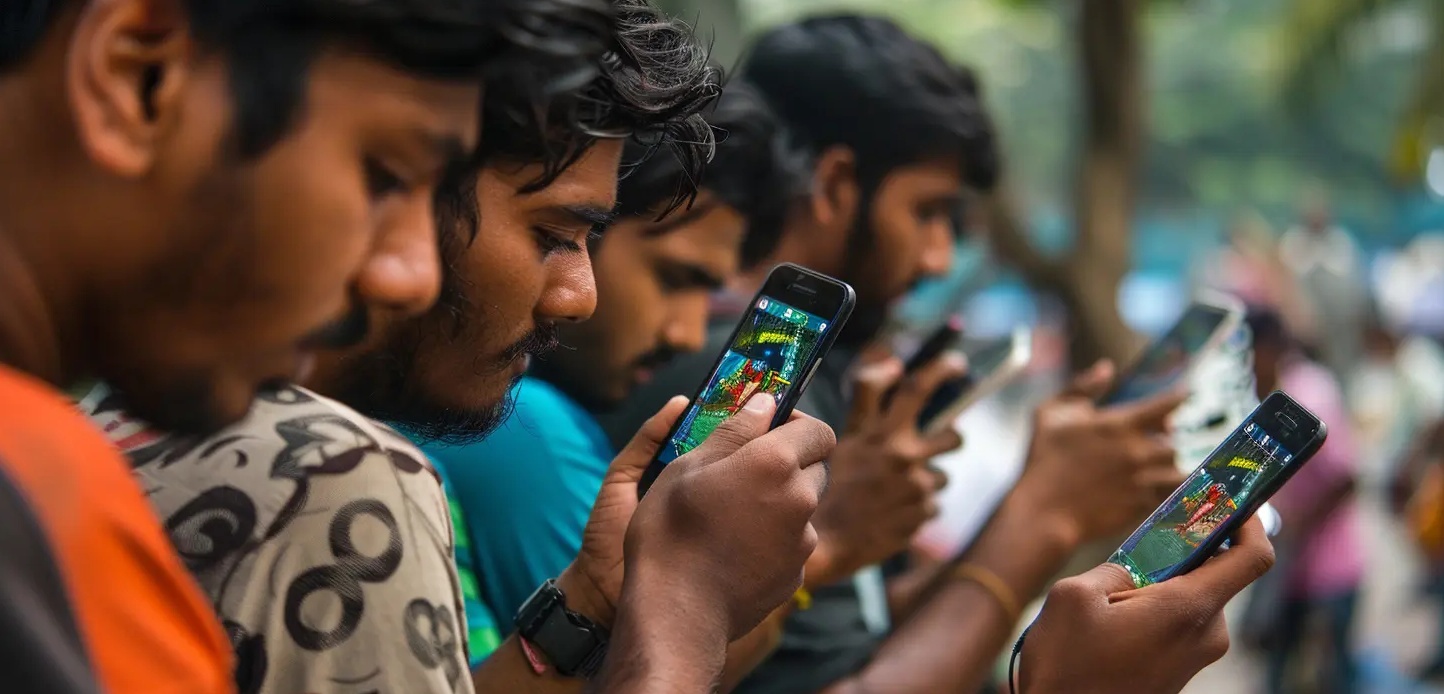
According to TAM AdEx, an Indian advertising monitoring and data delivery service, India reported a significant 11 per cent drop in advertising in 2025 compared to the previous year. This contraction is mainly due to the ban on gold games issued by the Government of India and the significant transfer of the advertising budget to digital platforms.
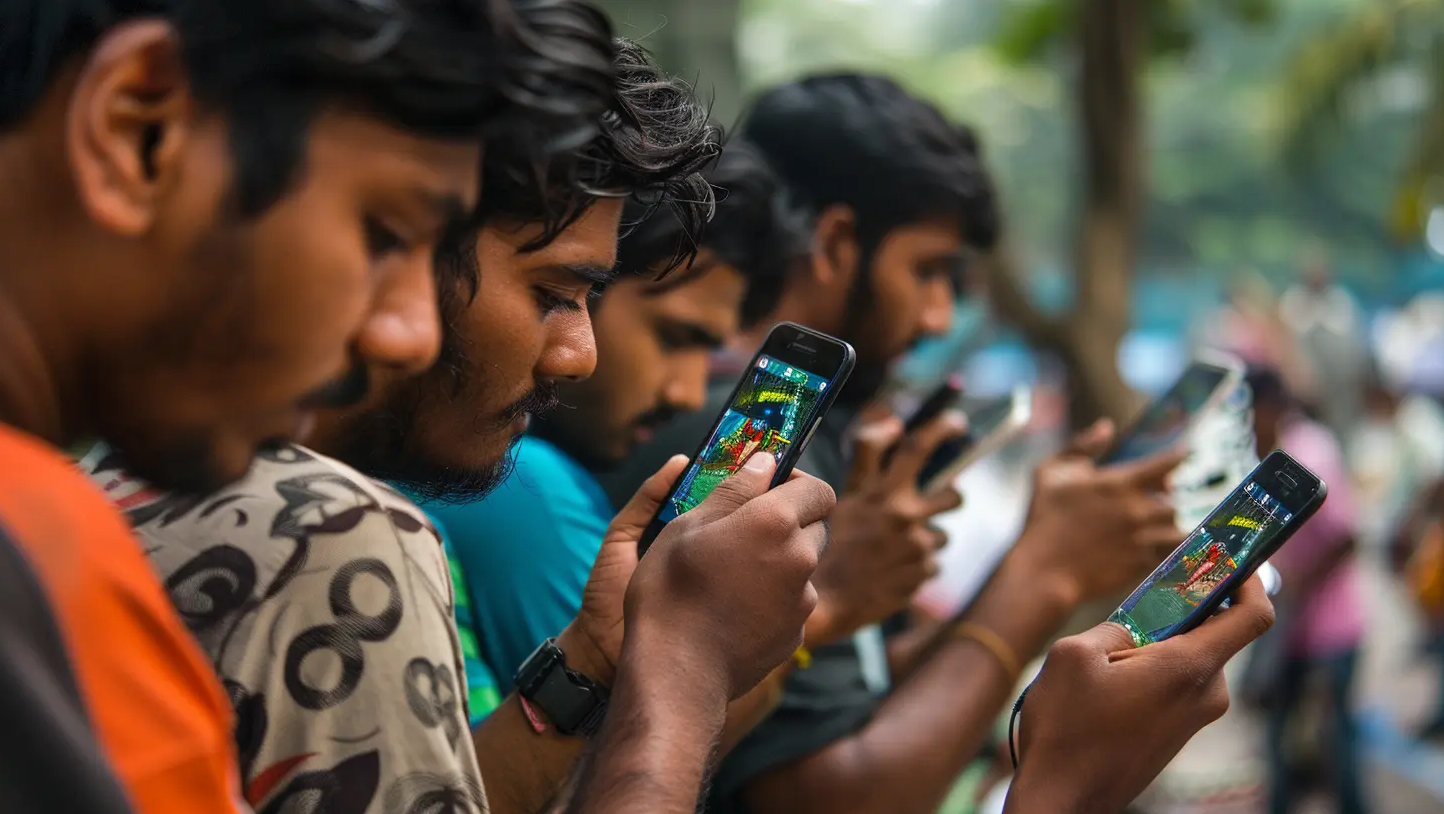
In August 2025, the Government of India enacted the Online Game Promotion and Regulation Act, which declared a total ban on genuine gold games, with a severe impact on the industry. As a major advertiser of the gold game, this resulted in the loss of about Rs. 70 billion (approximately US$ 765 million) from the advertising market, especially in the area of sports programmes, which had been a core sponsor of the genuine game. In contrast to the decline in traditional television advertising, digital advertising platforms, including CTV and streaming media, are experiencing strong growth. Industry executives noted that as advertisers increasingly adopt cross-screen integration strategies that take into account broad coverage and precision, the incremental budget continues to flow to these numbers. The current CTV household penetration in India is estimated at 50 to 60 million households, with a significant expansion of the user base. Overall digital advertising expenditure is expected to continue to grow at a high rate, with industry predicting that it will move beyond traditional television to become the dominant advertising medium in the coming years.
Although traditional categories, such as fast-forwards, remain stable at the television end, the strategy has shifted to more sophisticated tactical applications. This shift has led to a decrease in the total number of electrician advertisements, even if the number of advertisers remains unchanged. Traditional television audience base continues to shrink, exacerbated by the movement of consumers to free viewing channels such as the CTV, the OTT platform and YouTube and the free satellite television service in India. The advertisers, represented by Parle Products, are actively embedding multi-platform strategies, and they realize that CTV is critical to reaching young groups that are increasingly abandoning cable subscriptions. CTV ‘ s high-quality advertising resources, with their quantitative advantage of precision orientation and impact, are attracting change-oriented advertisers, while traditional television still has irreplaceable coverage in the field of mass communication and live broadcasting.
The advertising market in India is about to expand significantly and digital advertising will become a central driver. Thanks to increased Internet penetration, the rise of indigenous language content and the use of AI technology in marketing, digital advertising expenditures will continue to surge. The growth of CTV was particularly striking, with some agencies predicting that their advertising revenues could reach Rs. 35 billion by 2027 (approximately US$ 387 million).
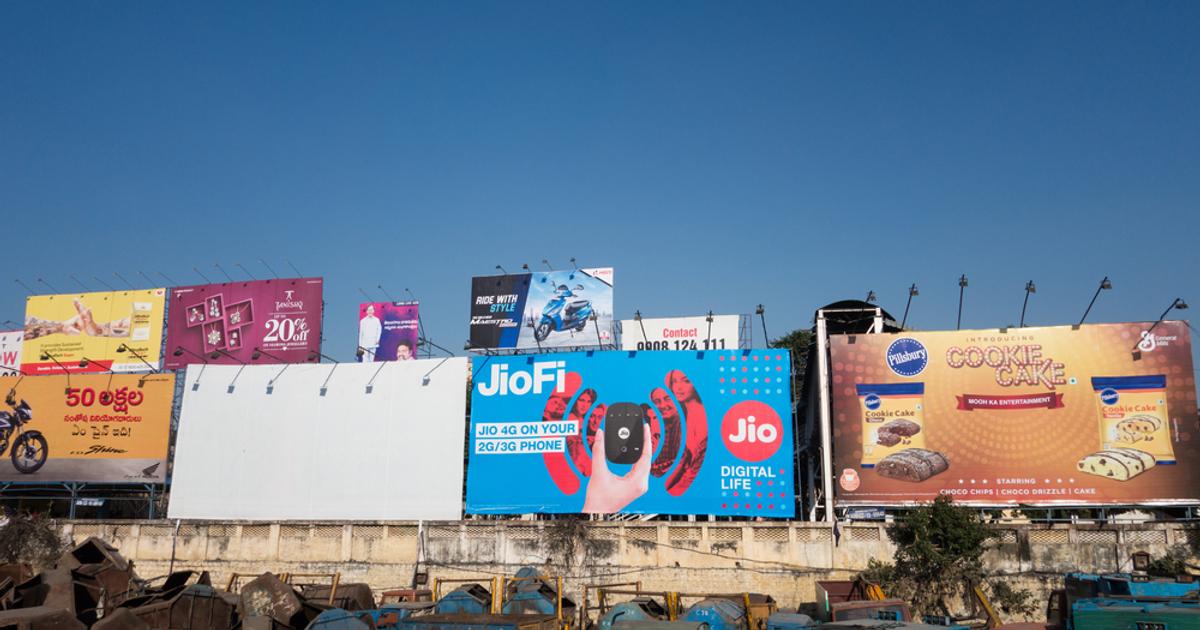
The re-engineering of India ‘ s media consumption and advertising landscape will be accelerated when brands urgently pursue more efficient and quantifiable user connectivity, with CTV and OTT as representative of data-driven and accurate digital advertising.