
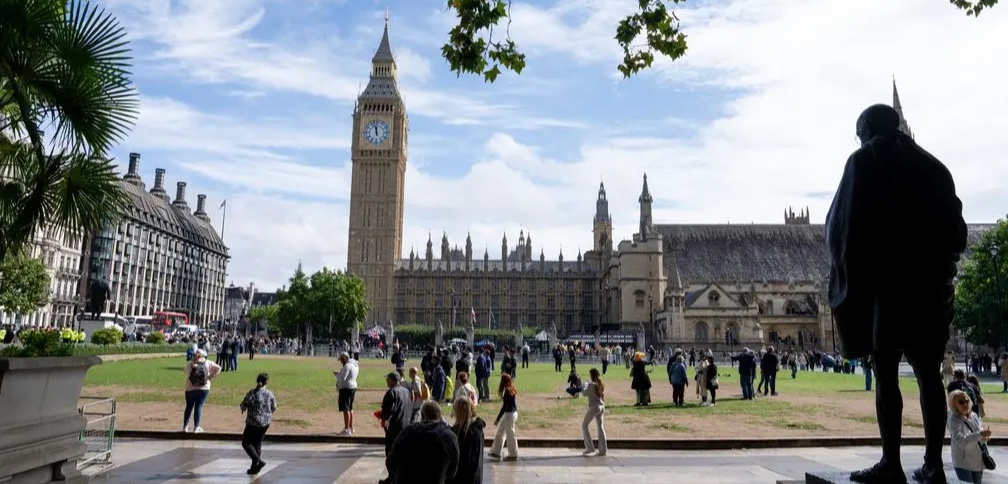
The British Parliamentary Fiscal Committee issued a report on 7 November urging the Government to make a clear distinction between real gambling and more addictive online gambling, recommending higher tax rates for high-risk forms of gambling. The report, which was based on a gambling tax increase hearing in October, will provide key guidance for decision-making on the budget for the fall of 26 November.
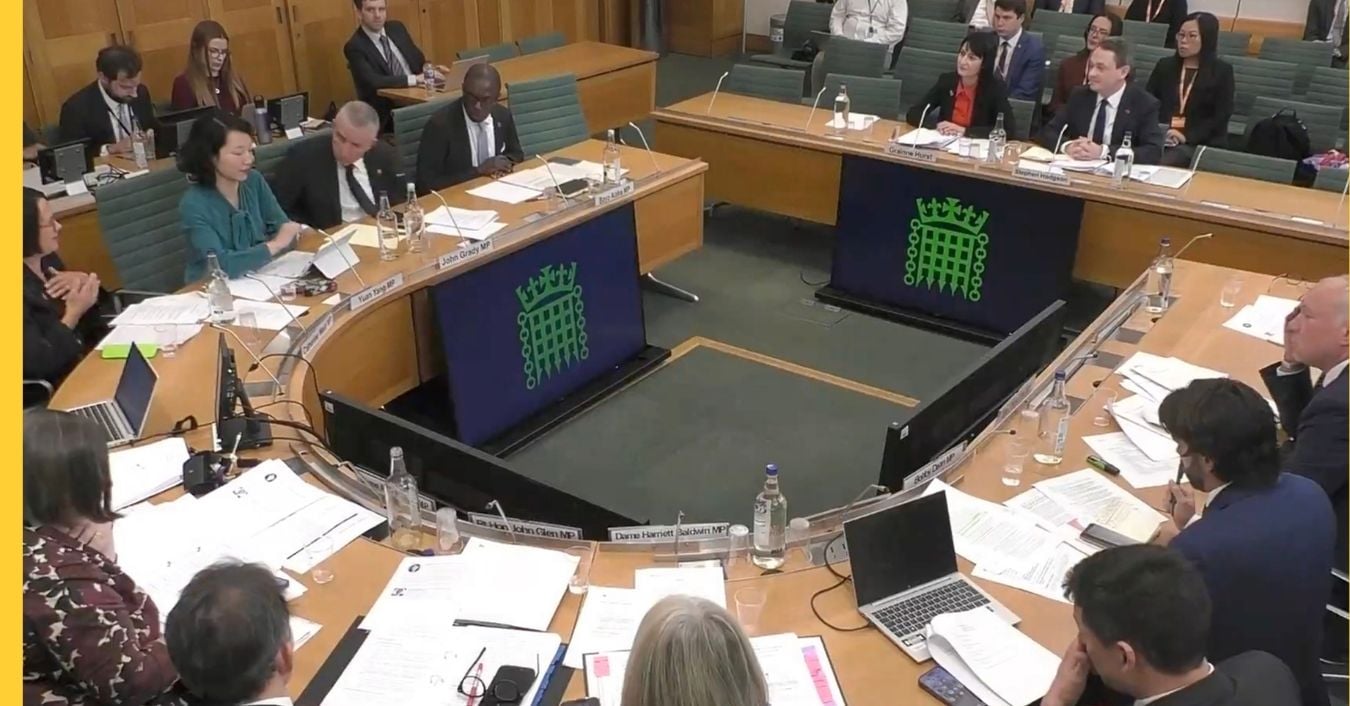
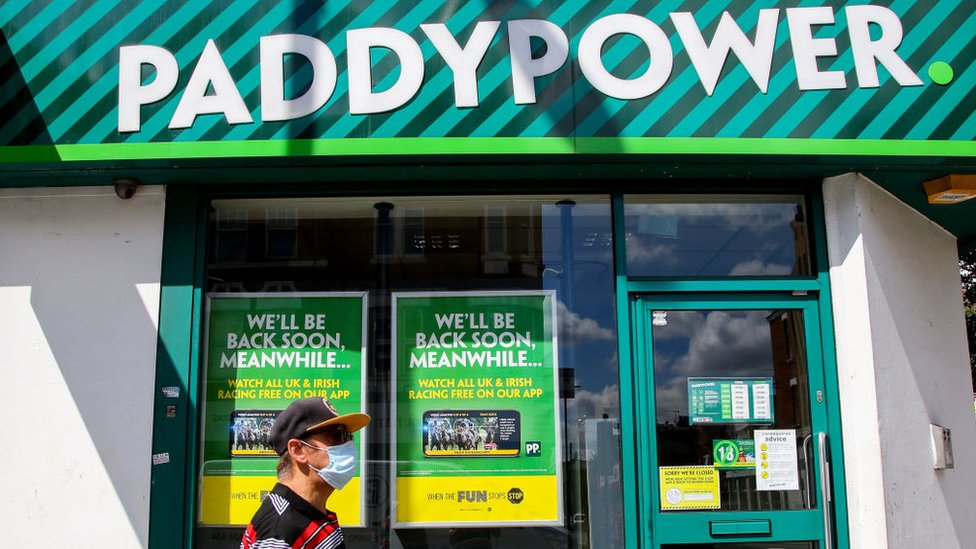
The report makes it clear that: “The degree of harm caused to individuals, families and societies by different forms of gambling varies. We are convinced that the current gambling tax of the Ministry of Finance does not adequately reflect these hazard differences. We call on Governments not to compromise on the industry ‘ s threats and to set tax rates based on the extent of harm actually caused by online games. The report emphasizes, inter alia, that existing policies do not adequately reflect the serious harm caused by online gambling, such as online casinos: “Governments should strengthen the distinction between real gambling (e.g. horse bets or game halls) and online gambling. The latter contribute to highly addictive, high-frequency harmful investment, neither promotes community participation nor contributes to social well-being.” At the hearing, the co-founder of Paddy Power, Stuart Kenny, stressed the need for differential taxation: “If only one sentence can convey, it is that the harm caused by horse races or general election bets is well below the fixed rate bets terminal or online tiger machine. There are two key indicators for determining product addiction — the length of time between investment and results, and the speed at which the investment is repeated.”
In response to the industry’s concern about the “black market risk”, the Committee recommended strengthening anti-tax measures to prevent the flow of players to illegal platforms. The Chairman of the Commission, Baroness Meg Hillier, stressed that “for most people, highly addicted and harmful online gambling has severely destroyed the lives of themselves and the surrounding population. While the report refers to industry warnings about tax leakage, it points to the existence of a bias in its interests. Stuart Kenny goes on to say that the black market threat was exaggerated: “When the gambling industry was reformed, I used to lobby for ‘black market spread’ ‘job loss’. Before the 2019 fixed-rate bet terminal limit, the industry likewise cried out that `all the shops will be shut down’, but that was not the case — it was by the very nature of the alarm.” This policy debate began with a consultation by the Ministry of Finance in April of this year on the harmonization of tax rates for long-range gambling. In August, the British Institute of Public Policy (IPPR) proposed a substantial increase in the distance game tax from 21 per cent to 50 per cent, while raising the game machine tax from 20 per cent to 50 per cent, with a projected increase of Pound3 billion (approximately RMB 27.5 billion) per year.
The British Treasury Secretary, Rachel Reeves, has made it clear: “I think gambling companies should bear higher taxes. Personally, I’ve never been involved in gambling. While they contribute to the economy, they must pay their fair share of taxes — and we will ensure that that is done. ” As the 26-day budget draws near, this game of public health and tax equity is about to be decisive.