

The Indian Commission on Goods and Services Tax (GST) announced that it had approved a substantial increase in the tax rate for casinos, horse racing clubs, lottery, lottery and online gold games from 28 per cent to 40 per cent (including import tax credits). This has resulted in a clear classification of these activities under the new “hazardous commodities” category under the GST framework, further exacerbating the Indian online gold game (RMG) industry crisis.
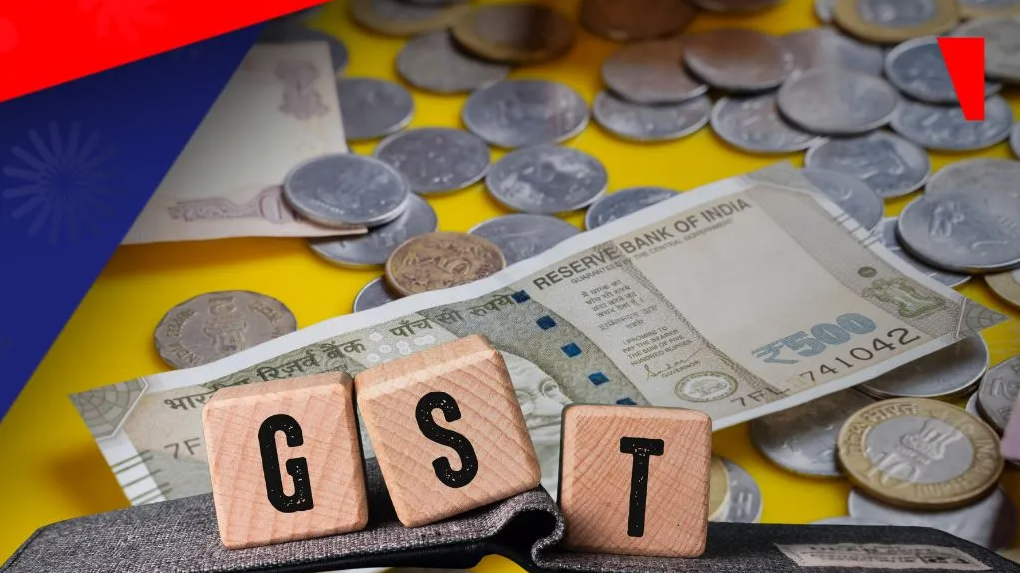
This was the second major policy blow by the Indian Government to the gold game industry in a few weeks. In August of this year, the Indian Parliament passed the Online Games Promotion and Regulation Act 2025 (PROGA), which prohibits online gold games and exempts only electronic games and leisure games. The industry giants claim that these two measures constitute a “dual blow” by the Government, both through a regulatory ban and through financial means.
It is worth noting that the timing of this increase in tax rates is delicate and that the Supreme Court of India is currently engaged in a collegiate trial on the retroactive taxation of online games involving Rs. 2.5 trillion. The Trial Chamber has just concluded hearings with leading companies such as Gameskraft, Delta Corp, and trade organizations such as the All India Games Federation (AIGF), the Electronic Games Federation (EGF) and the Indian Dream Sports Federation (FIFS).

The genuine gold industry stakeholders noted that, regardless of the outcome of the proceedings in Karnataka, Madhya Pradesh and Delhi High Courts, 40 per cent of the new tax rates could lead to the collapse of the industry. Many real-money games such as Head Digital Works have challenged the complete ban on PROGA.
One of the front-runners warned: “The 40 per cent excise tax levied by the government on online gold games is a double blow. Even if the outcome of the PROGA-related litigation were favourable to the industry, the 40 per cent rate would make it impossible for the industry to survive.”
The industry giants are considering launching new legal challenges, especially if 40 per cent of taxes and fees are levied on deposits rather than total lottery revenues, which they claim will render business models unworkable overnight.

This tax increase is not limited to online games. Casinos and lottery operations, which are important sources of income in the states of Goa, Sikin and Nagaland, will also be severely damaged. Observers noted that despite the dependence of the state finances on lottery revenues, no objections were raised before the GST Committee, which shocked stakeholders.
The 40 per cent tax rate is now applied to entrance fees and service charges (including lottery licence fees) for popular events such as casinos, horse racing clubs and even the Super League of India. The Commission also decided to revise the definition by classifying gambling, gambling, horse racing, lottery, casinos and online gold games as “commodities” under GST law, on the same basis as other harmful commodities such as tobacco and beryllium.
To reflect policy differentiation, the government has simultaneously reduced the GST tax rate for family leisure games, such as poker, chessboards, krom and Ludo, from 12% to 5%. This differential treatment shows that the Government of India seeks to separate leisure social games from money games that are considered socially harmful.
The industry has been hard hit since October 2023, when the Government of India imposed a uniform excise tax of 28 per cent on the amount invested. With the promulgation of PROGA last month, many operators have ceased their services. The most new tax measures are expected to significantly increase the financial burden on casinos, lottery distributors and playing platforms, threatening the survival of an industry that was once considered a driving force of the digital economy in India.
The Government maintains its position. By equating online money games with criminal goods, a clear policy signal is sent out: a legal ban to curb taxes. The outlook is becoming increasingly uncertain for this industry, which is stuck between regulatory bans and stringent fiscal measures.