
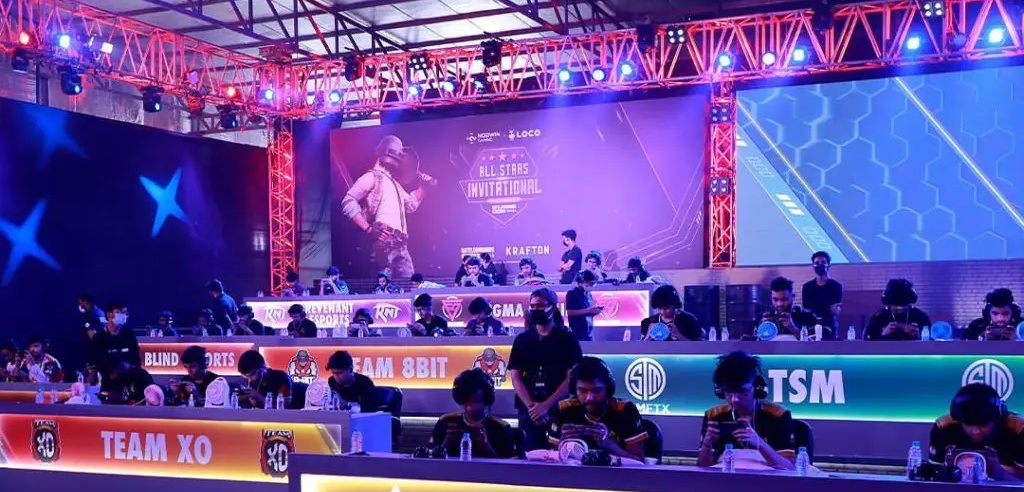
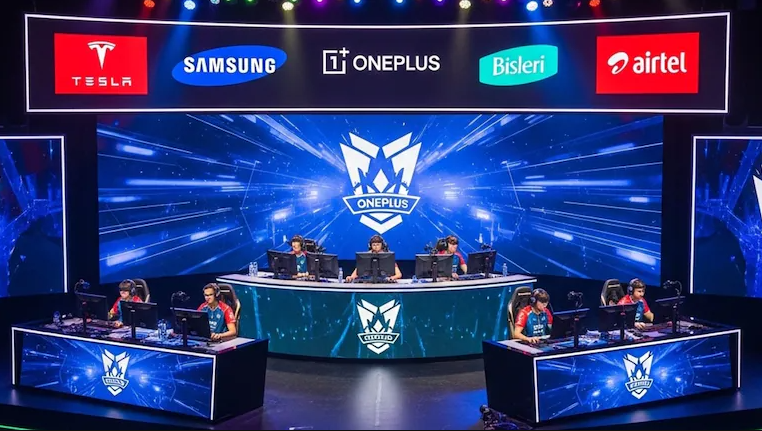
With the clarity that the Internet Game Act in India has brought to industry regulation, defunct industry brands such as Tesla and Red Bull to Bisleri have begun to pour into the field of electric competition as a safe way to gain access to big users. The influx of advertisers will lead to double-digit growth in advertising spending, and the online game market in India is expected to grow more than ever.
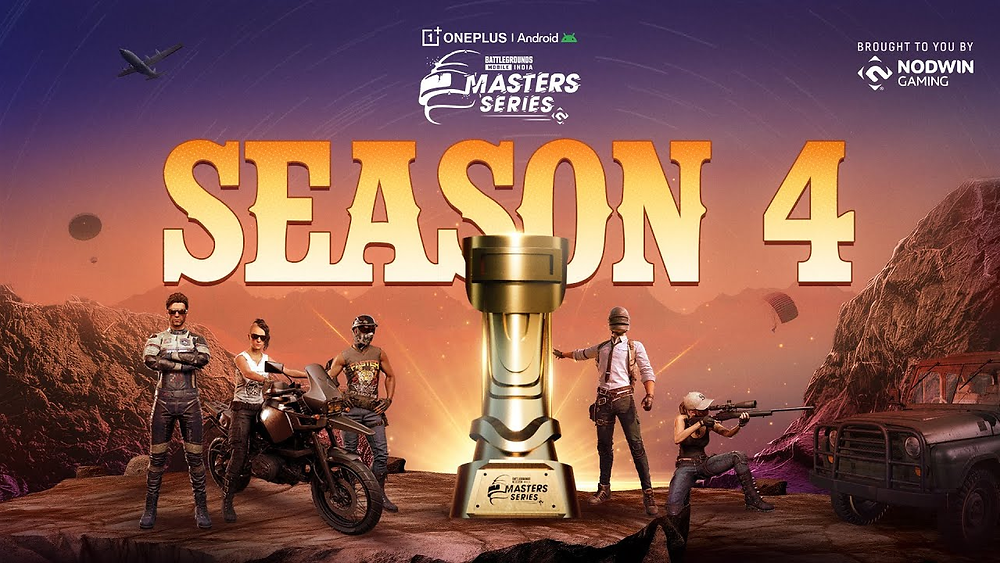
The Act explicitly eliminates brand concerns and stimulates investment.According to Rohit Agarwal, founder and director of the marketing agency Alpha Zegus, there has been a marked increase in the number of collaborative proposals (RFPs) around electronic competition since the Cyber Games Act came into force. Tesla, the U.S. electric car giant, has also worked with Nodwin Gaming to become a sponsor of the 4th Round of the Indian Masters of the Jedi for Life, held on 12-14 September 2025, the first time Tesla had sponsored an Indian electric competition.
Rohit Agawal points out that the proliferation of brand interest stems from two factors: the fact that electric competition is no longer classified as a money game for brand security and the fact that the online game market in India has reached nearly 488 million users (2024 data). “We have received more demand for advertising in league sponsorship, creator content and programming games, and the brand budget is shifting from test inputs to seasonal long-term placement,” Agarvar added.
The Indian distributor Krafton, India’s most popular electric racer, had found that not only was the sponsor expanding in terms of investment, but also its ambitions. The Indian economic media, Moneycontrol, had reported that the top telecommunications brands of Airtel and Samsung were increasing attention to electronic competition and advertising spending. More brands are now entering with clear regulation.
The co-founder and Managing Director of NODWIN Gaming, Akshat Rathee, noted that e-competitive had been overshadowed by online gold games for many years, which had led sponsors to hesitate. Today, the bill explicitly recognizes electric competition as a legitimate competitive sport, and the related business dialogue continues to increase, and the rate of transformation has increased dramatically, “the change is immediate”.
With the risk decoupling of the electric race from the genuine gold game, Rohit Agawal is expected to grow by 20-30 per cent over the next 12 months. The price of the Indian national electricity competition package is now usually between Rs. 5 million and 300 million (Rs. 405,000 to 24 million) (including crown names, transmissions and content rights), and the co-sponsorship level is Rs. 1-4 million.
Rohit Agawal added that the early focus of the competition included smartphones and externals, fast food beverages, financial technology, automobiles and telecommunications operators. “These brands have hesitated to compete in grey areas, and the bill reduces the risk of long-term cooperation and enables them to plan multi-season cooperation.”
Rohit N. Jagasia, founder of Revenant Esports, said that, although the new bill had not been in place for a long time, the brand response was encouraging. Many brands had previously remained on watch because of the gold game, and regulation now clearly created legal space for competition. He expected short-term brand sponsorship to increase by 15 to 20 per cent over the previous year, possibly by more than 25 per cent as markets matured.
There’s a huge increase in funding, and the form of cooperation is moving towards deeper integration.
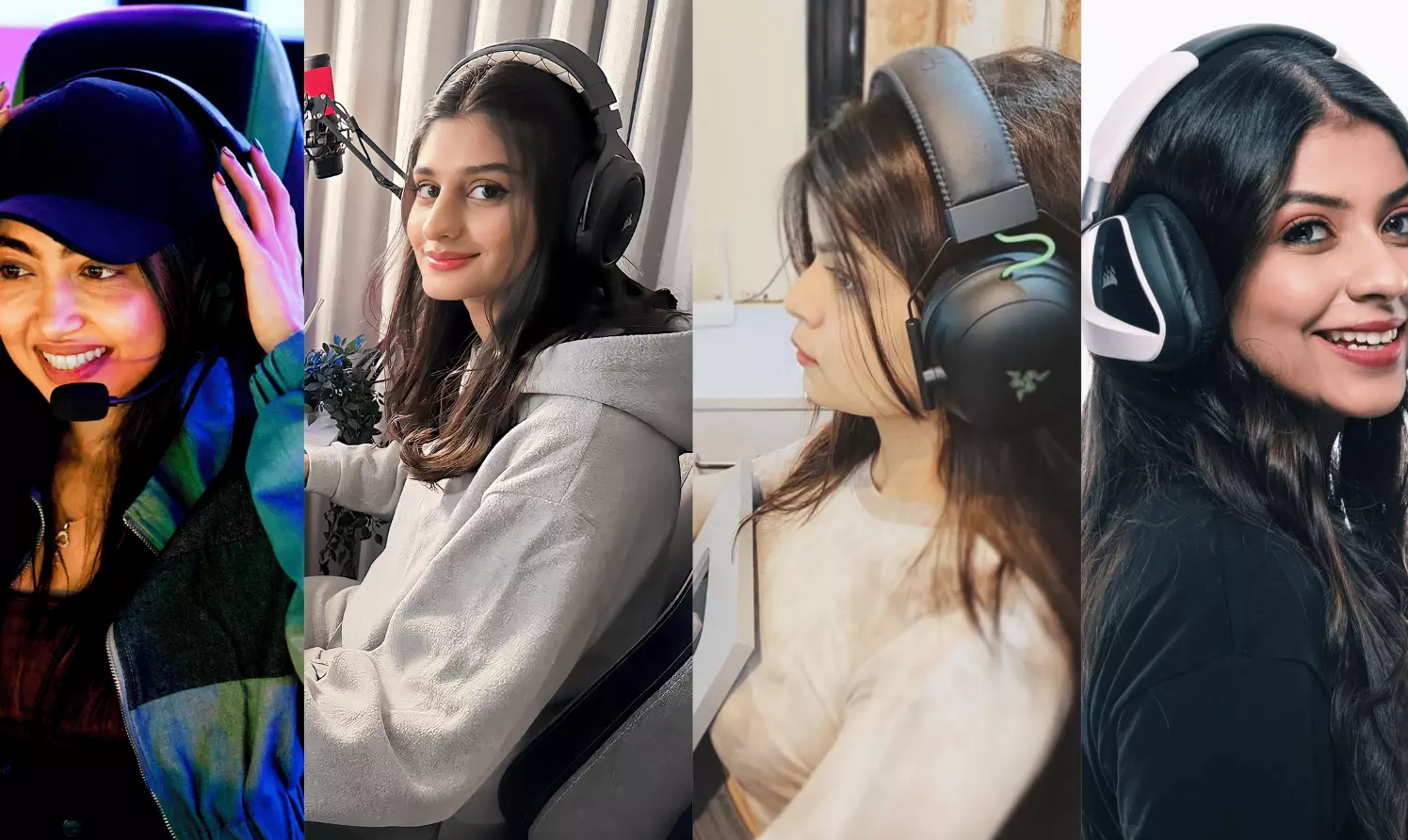
With the festivities and cricket season windows coming, Rohit Agawal predicts a wave of growth over the next 6-12 months. Rohit N. Jagasia adds that the 500 million players base makes electricity the branded Blue Sea market. The game market in India increased to $3.8 billion in fiscal year 2024 and is expected to reach $9.2 billion in fiscal year 2029, with electricity growing at a complex annual rate of 10-19 per cent, and brand sponsorship will remain the largest source of income. India ‘ s brand expenditure in 2024 was about $90 to $125 million, and is expected to reach $110 to $150 million in 2025, rising to $130 to $180 million in 2026. Rohit N. Jagasia points out that the fast-forwards and beverage categories are targeting the Z generation (people born in the late 1990s and early 2010) to increase inputs, and that the amount of sponsorship has nearly doubled over the past 18 months, with an average increase of 25-30 per cent in the recent past. NODWIN’s Akshat Rasi, noting the increased commitment in the fields of automobiles, fast-tracking, daily living and banking financial insurance, is actively exploring the use of electric competition as part of its core media portfolio. Akshat Rasi added that the group of female fans of the electric competition had risen to 28 per cent in 2025, drawing particular attention to lifestyle and fashion brands.
This year, Krafton’s Indian Series of ” The Jedi for Life ” , and the Professional Federation, gained strong representation from the brands of Realme, Kia and Magic Pistol. The Indian spokesperson for Krafton said that the competition was being welcomed by both original and non-raw brands. “We see a growing demand for deeper integration of brands, which goes beyond traditional sponsorship. Collaboration with Jio, Mahindra and Sting is an example of what brands experience like games, from thematic vehicles and game assets to joint events.”
Companies such as CyberPowerPC India, a game hardware manufacturer, are working with electronic competitions such as Orangutan Esports to train more electric campaigners. The Chief Operator of CyberPowerPC India, Wishal Parek, said: “It is not just a sponsorship, but a meaningful experience for the player.” The company has supported the construction of the ApeCity training base in Orangutan and will continue to invest in experience areas and community activities in the future.
For the launch of the national Free Fire MAG 2025 Indian Cup, Rohit Agawal of Alpha Zegus is expected to attract strong interest in fast-tracking, mobile phone and financial technology brands. According to Rohit Agaval, “the country’s large IP and top-level CS2 competitions will generate a strong sponsorship demand, with the 2025 process involving the manufacturer’s mobile tour and third-party games, a trend that will continue in 2025”. The competition became the dominant marketing position, and years of cooperation became a trendAccording to India’s March 2025 Indian Chamber of Commerce and Industry-Ernst and Young Report, the number of brands investing in electronic competition is expected to increase from 68 in 2024 to 75 in 2025.
Nodwin Gaming’s Akshat Rasi stated that this was no longer about short-term activities, as brands were now asking about multi-year commitments, which were a very positive signal for India’s electric-competitive ecosystem. He looked at new games such as “Rural Races” and “Indus,” “UGW,” “Road to Valor” and “FAU-G Office” as potential breakthroughs.
Akshat Rasi claims that the Indian Masters of the Jedi Game has witnessed a surge in brand interest in electricity competition in the fourth season, with sponsors including one cell phone (rent name and mobile device sponsors), Andre (rent sponsors) and TVS vehicles for the third year in a row, as well as international and Indian brands such as Red Bulls, Multi-Neighbor countries, Swigly and Bisleri. In his view, DreamHack India Station and VCSA were the most important opportunities this year. “In 2025 alone, the prize pool for major events is expected to rise from Rs. 187 million to Rs. 250 million in 2024, thanks to the return of the Free Fire Max and the new game,” he added.
Rohit Agaval indicated that, as the event increased the field finals, rebroadcasting upgrades and creator-derived content, the top brand would increase its input. The Cyber Games Act, while restricting money games, promotes the development of electric competition, ” which was the focus of the expansion of investment by global sponsors and foreign direct investment (FDI) firms. “Speaker Krafton stressed that as Z and α generations increasingly define consumption patterns, electric competition is no longer merely an experimental channel, ” it is becoming a key mainstream media point of cultural relevance for brands.”