
OpenAI has recently officially launched the MacOS application for Codex, an AI programming assistant. Codex, which is essentially a programming smart body that creates code for users, now manages multiple AI assistants to work together on more complex tasks.
OpenAI provided an example of the use of Codex to create a race-speed game similar to the Mario Races, which included a variety of options for manipulating racing cars, eight tracks and a range of trophies available to players. For a single AI smart body, it is a difficult task to create a game from the beginning that contains all the necessary visual materials, but Codex was able to do it because it was able to allocate the production of games to different models of capacity complementarity. For example, it can call GPT Image to generate visual assets, while a separate model produces web game codes. OpenAI describes the process as follows: “It has assumed the role of designer, game developer and quality assurance tester to validate its results by actually running a game.” This sounds complicated, but OpenAI attempts to make it more user-friendly through the application of a block called “Skills.” OpenAI explained that this function was tied to “directions, resources and scripts that enabled Codex to provide reliable connectivity tools, run workflows and perform tasks according to the preferences of the user team. Codex uses a dedicated interface to create and manage skills. The user may expressly require Codex to use a particular skill or to use it automatically in accordance with the current mission.”
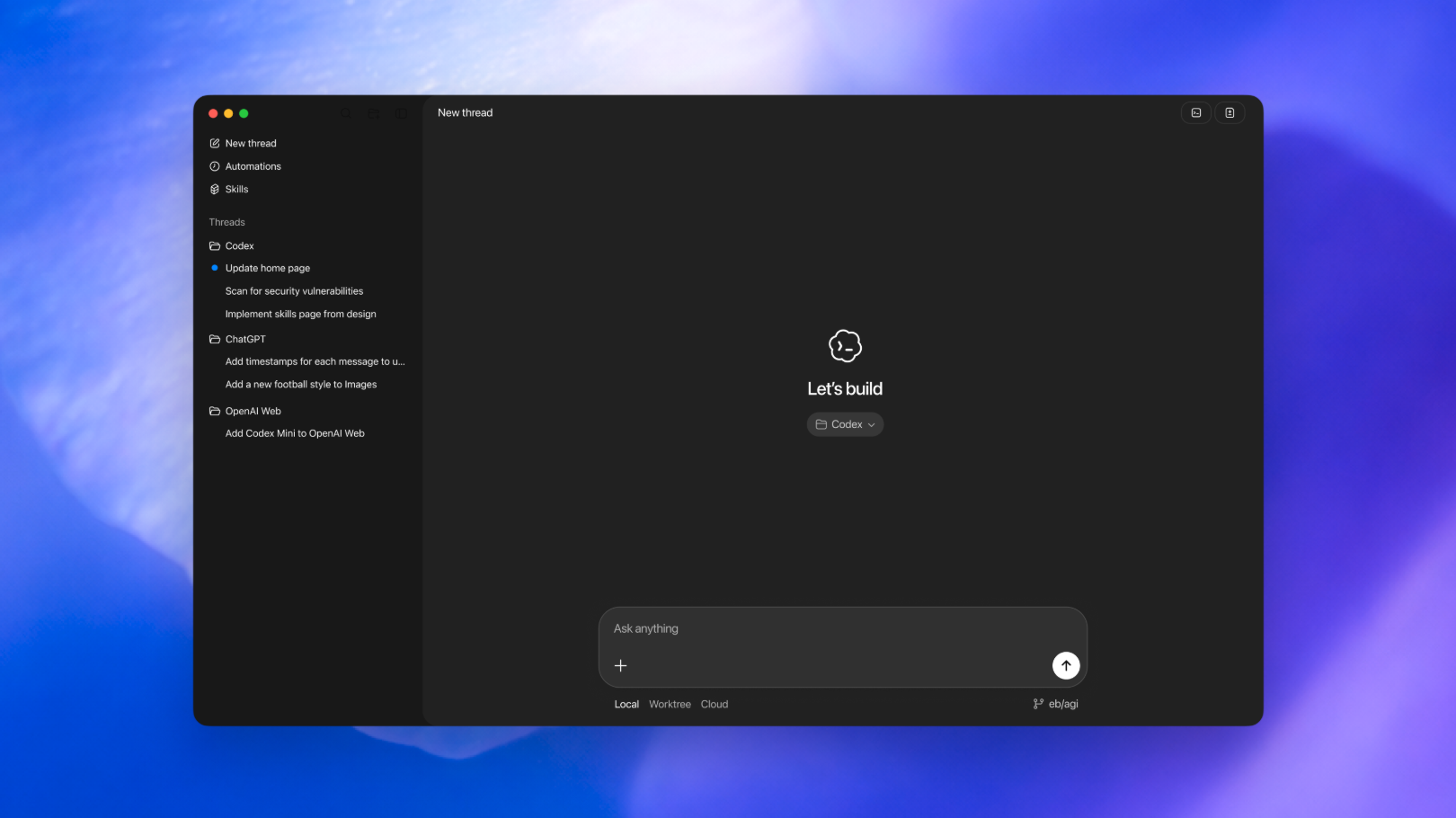
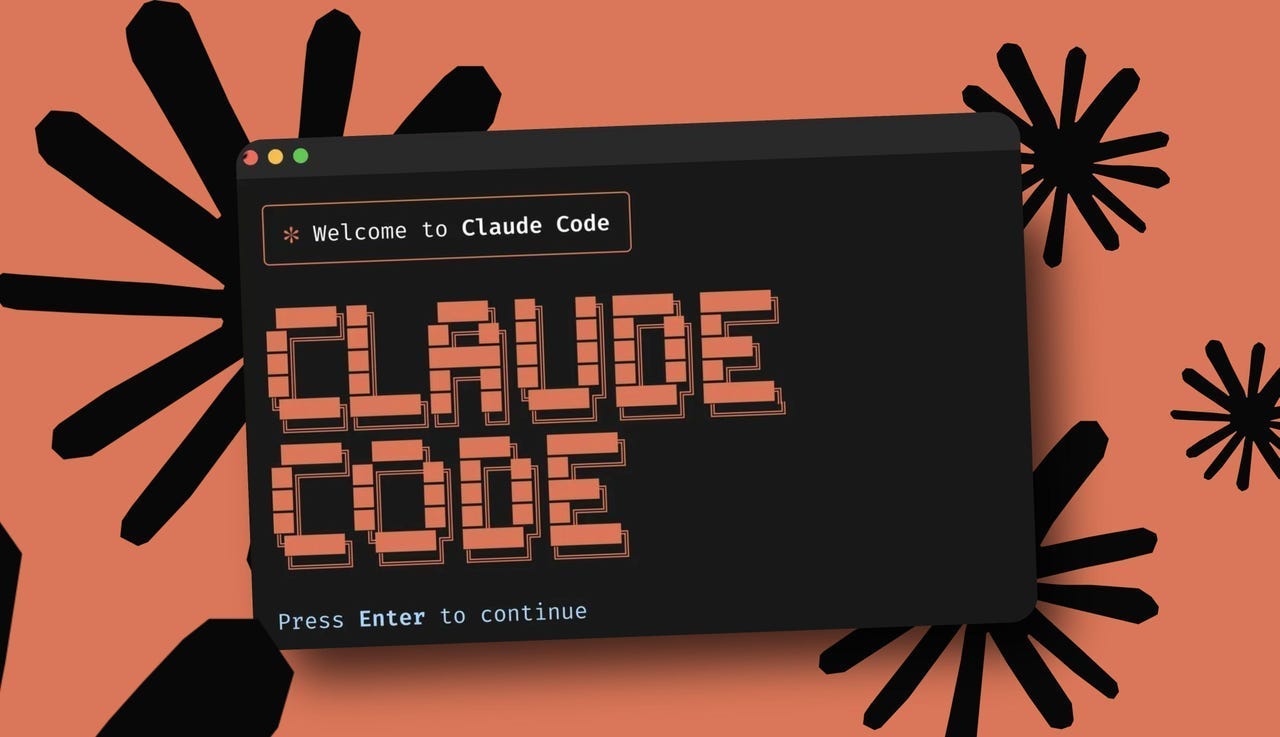
Codex can also automate repetitive tasks. A dedicated “automated” block in application allows users to organize tasks, which the software will do in the backstage. According to OpenAI, “within the company, we have been using automated functions to deal with repetitive but important tasks, such as daily problem classification, finding and summarizing continuing integration failures, generating daily bulletins, checking errors, etc.”. In recent years, programming has been the most successful and competitive area of application for artificial intelligence models. In this area, OpenAI has been lagging behind its competitor, Anthropic, who dominates the coding market with the Claude Code tool. According to Anthropic data, within six months of being open, Claude Code had an annualized income of $1 billion. The Codex application, now published, is part of OpenAI ‘ s efforts to increase market share.
According to OpenAI, at this stage Codex will be open to all ChatGPT users, including free users and low-cost GO subscribers. OpenAI temporarily doubled the speed limit of its payment plan in order to provide additional benefits to existing Cordex users.