
Chief Executive Officer Ellon Mask, at the latest financial teleconference, indicated that the company planned to expand its robotic taxi service from Austin, Texas, to the Bay of San Francisco and other United States areas. However, California regulators have made it clear that Tesla has not yet obtained a permit to operate auto-driving vehicles on public roads, either at a fee or free of charge, and that it is not feasible to have a safe driver in the vehicle.
The California Utilities Commission (CPUC) indicated on 25 July that Tesla had only a permit to use traditional vehicles equipped with human drivers to provide passenger services, and had received Tesla ‘ s notification on 24 July that it planned to provide non-automatic driving services to staff members, friends and members of the public.
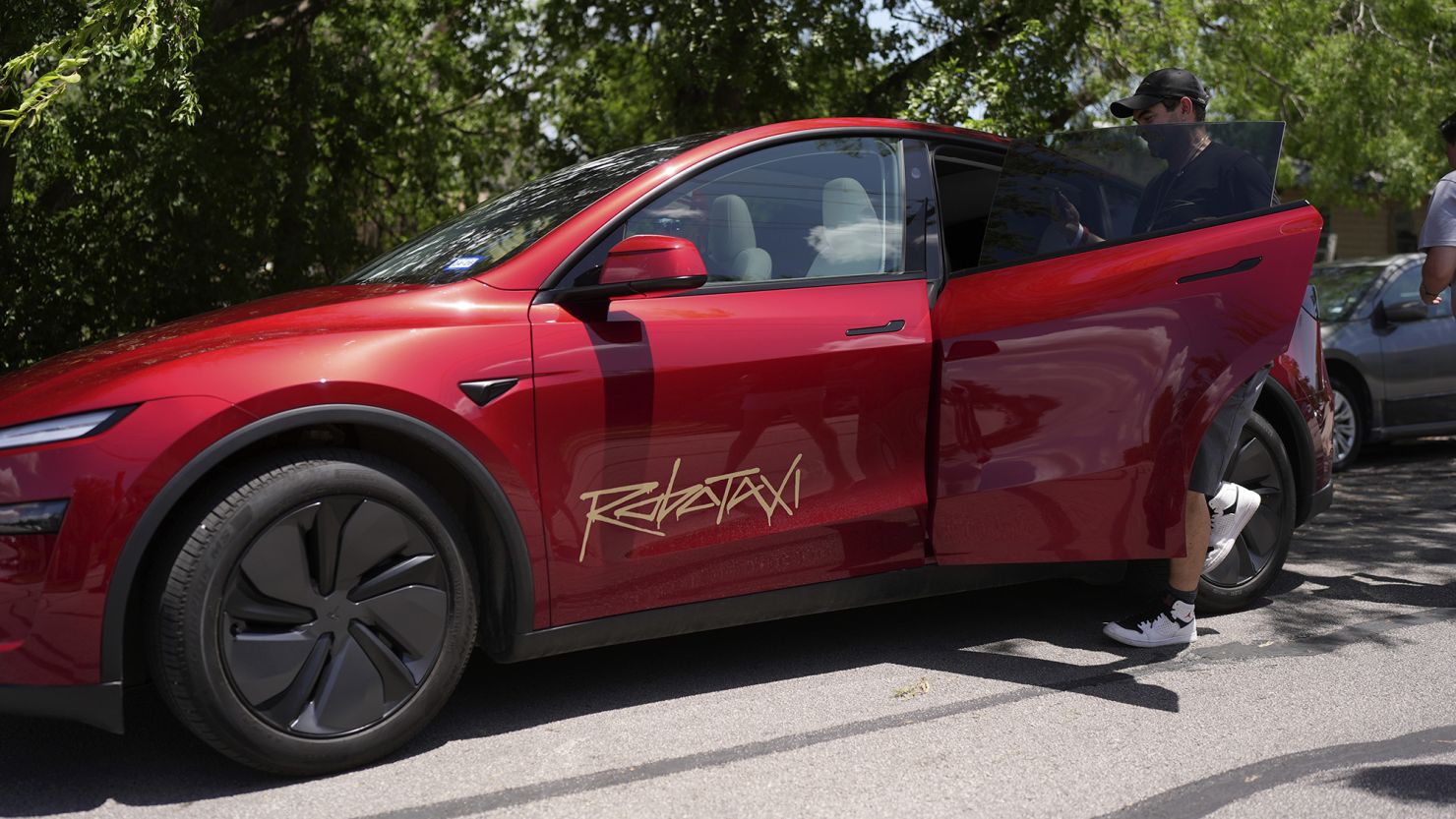
Tesla launched a limited test of the Robotaxi service in Austin, Texas, in June 2025, using about 12 Model Y SUVs with security monitors to limit operations to specific areas, specific passengers and good weather conditions at a cost of $4.20 per journey. At a newspaper teleconference on 23 July, Mask announced plans to extend services to the San Francisco Bay region “within one to two months” and indicated that Tesla was seeking regulatory approval to achieve wider United States market outreach, including Arizona and Florida.
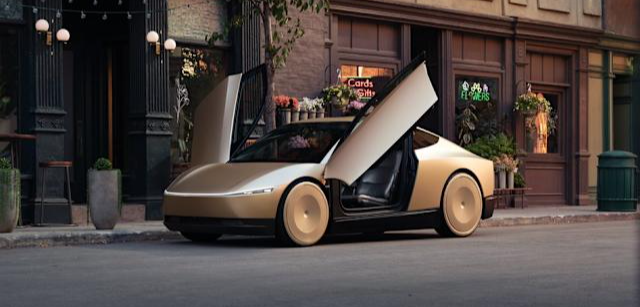
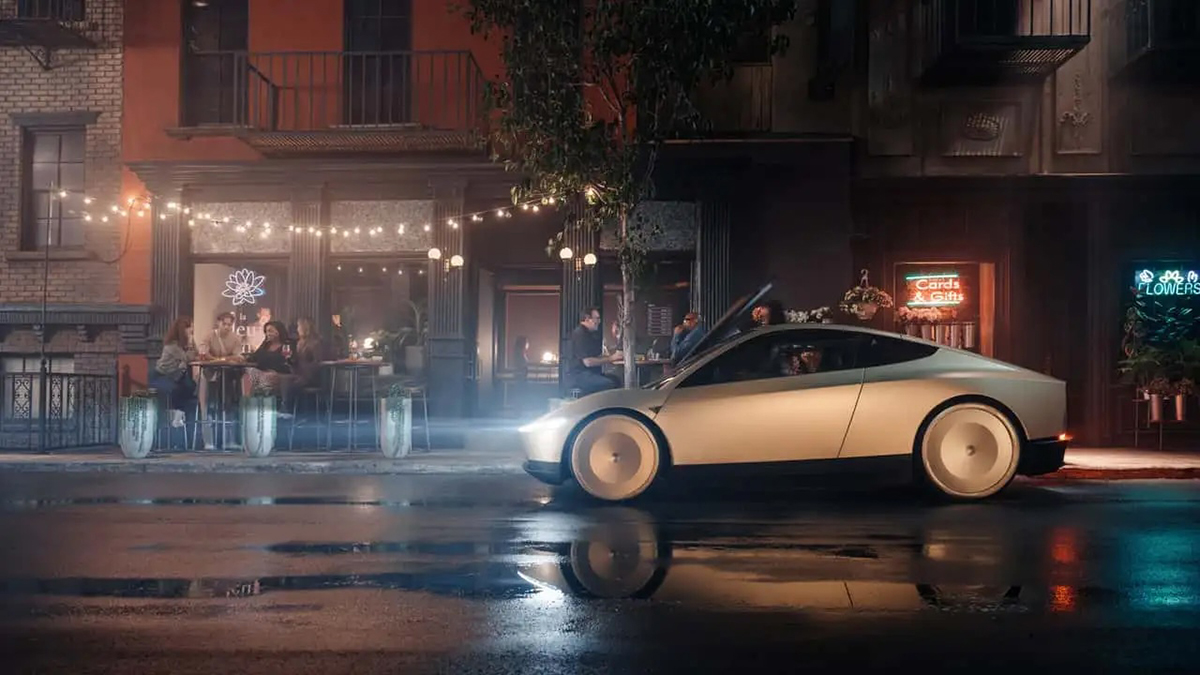
Mask also mentioned that Cybercab in Tesla (a concept car with no steering wheel and pedals) was scheduled to come into production in 2026 at a sales price of less than $30,000, with the aim of promoting universal access to unmanned passenger services.
California is one of the most heavily regulated states in the United States, and the Robotaxi plan in Tesla faces major challenges. According to the statement of the California Utilities Commission and the California Motor Vehicle Administration (DMV), Tesla has been in possession of DMV’s “Auto Driving Test Permit with Safe Drivers” since 2014, allowing for the testing of automatic driving vehicles with human monitors, but without a driver test or commercial deployment permit.
As at 25 July 2025, Tesla had only a CPU transport licence (TCP), which allowed the use of traditional vehicles (non-automatic driving) to provide pre-arranged passenger services to its employees.
On 24 July, Tesla informed CPUC that it planned to provide passenger services in the San Francisco Bay area (including Marin County, Eastern Bay, San Francisco and San José) for “employees, friends and members of the public”, provided that human-driven non-automatic vehicles were used and that the “full autopilot (supervised)” function, which required the human driver to take over control at any time, was activated.
The Robotaxi service, which operates on a fully automatic basis in California, requires DMV’s “no driver test permit” and “deployment permit” and CPU’s “automated driver permit”. Enterprises are not required to charge fees during the pilot phase and are required to submit large quantities of test data. By contrast, the Waymo in Alphabet, which took nine years and 13 million miles to test, obtained seven permits before being allowed to operate at a charge in California in 2023.
The California regulator stressed that Tesla was currently prohibited from using auto-driving vehicle passengers (whether or not charged) on public roads, otherwise it would violate state law. In a letter dated 24 July to DMV, San Francisco Congressman Catherine Stefani criticized Mask’s “1-2 month” schedule as “a blatant disregard for Californian legislation” and referred to the lessons of the closing down of Cruze as a result of the 2023 tow-man accident, warning of the potential security risks of Tesla.
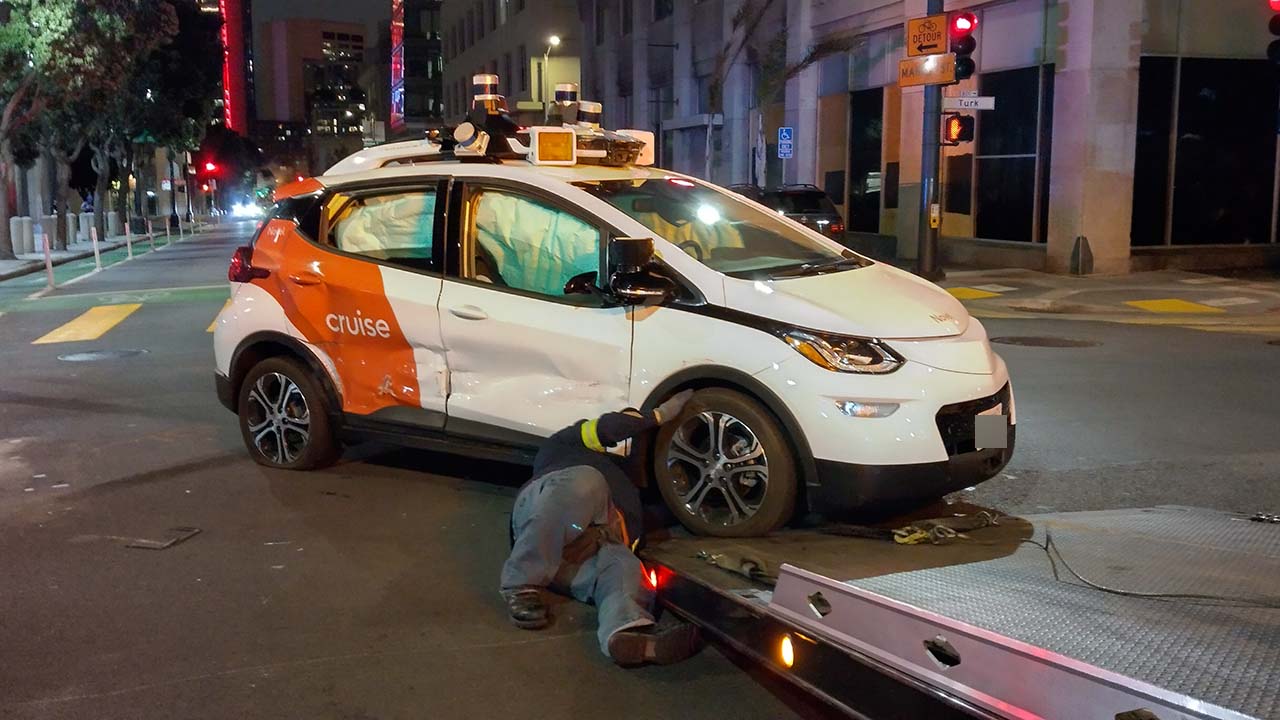
Cruise auto-driving taxi accident
The Robotaxi service in Tesla exposed technical incompetence to early tests in Austin, such as vehicle deviations from delivery points, traffic violations, etc., and provoked social media enthusiasm. Despite Mask ‘ s claim that Tesla ‘ s AI-driven approach (dependent on cameras rather than laser radar) has a cost advantage, industry experts believe that there is still a gap between its technology and Waymo ‘ s mature system.